In the manufacturing world, a stopped CNC machine isn't just an inconvenience—it’s a ticking clock counting down lost revenue. When a spindle goes quiet or an axis jams, production halts, deadlines shift, and stress levels spike.
While unexpected component failures do happen, the vast majority of emergency repair calls can be prevented with a consistent, proactive maintenance routine.
Here is a breakdown of the essential daily, weekly, and monthly maintenance steps every shop should implement to protect their machinery and their bottom line.
1. The Daily Checklist: 15 Minutes That Save Thousands
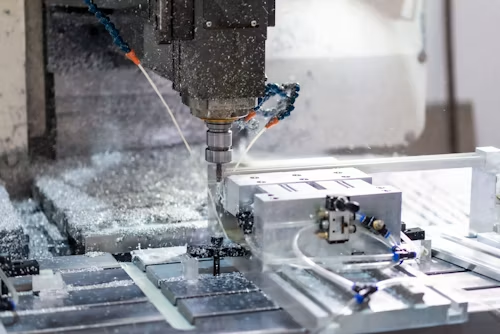
You wouldn't drive a high-performance race car without checking the vitals first. Treat your CNC machines with the same respect. Before or after every shift, operators should spend 15 minutes on the following:
- Check Fluids: Verify hydraulic pressure and ensure lube levels are topped off. Running dry for even a short period can destroy precision ways.
- Clear the Chips: Wipe down the way covers, clear chips from the enclosure, and ensure the chip conveyor is operating smoothly. Accumulation can lead to jamming and premature wear.
- Listen and Look: Pay attention to unusual sounds during startup or axis movement. Catching a faint grinding noise today prevents a catastrophic seizure next week.
2. Weekly and Monthly Deep Dives
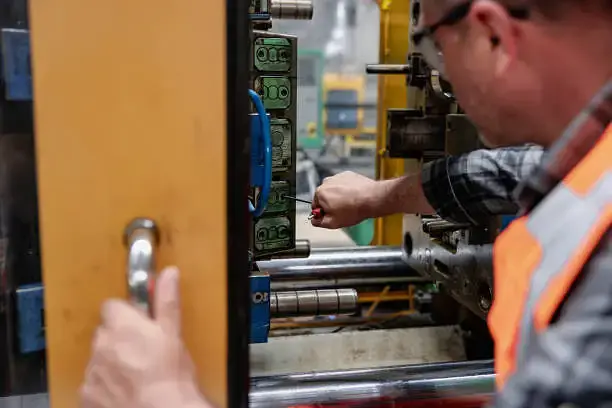
Some maintenance tasks require stepping back and looking at the bigger picture. Mark your calendar for these recurring checks:
Every Week:
- Clean Filters: Clean or replace the air filters for the electrical cabinet and CNC control unit. Overheating is a silent killer of expensive control boards.
- Inspect Coolant: Check the concentration and condition of your cutting fluid. Poor coolant management leads to bacteria growth, foul odors, and tool corrosion.
Every Month:
- Check Alignment & Backlash: Inspect axes for visual signs of misalignment or play.
- Lubricate Chains and Gears: Ensure all auxiliary moving parts, auto-tool changers, and doors are properly greased according to OEM specifications.
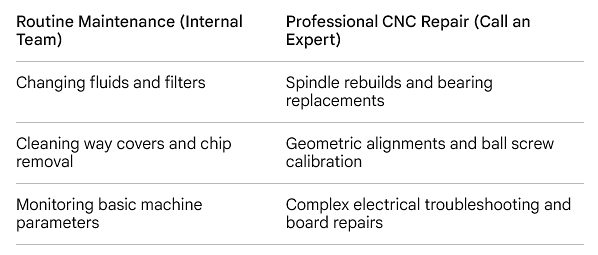
3. When to DIY vs. When to Call a CNC Repair Expert
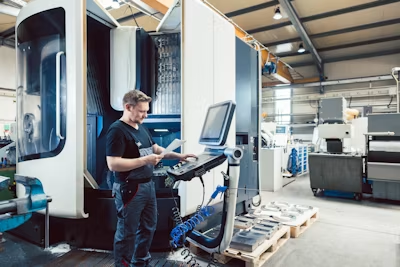
Knowing your limits is a crucial part of maintenance. While clearing filters and topping off oils is standard operator territory, complex mechanical and electrical issues require specialized diagnostic tools.
Keep a Detailed Machine Log
The secret weapon of the most efficient machine shops is documentation. Keep a physical notebook or digital log next to every machine. Note down every fluid top-off, filter change, and strange noise.
When you do need to call out a repair technician, having a detailed history of the machine's behavior allows them to diagnose the issue faster, getting you back up and running in record time.
Need Expert Assistance?
If your machines are due for a comprehensive preventative maintenance check, or if you are tracking down a stubborn error code, don't wait for a total breakdown. Reach out to our service team today to schedule an inspection.